


Dogs Sniff-Out Invasive Plant Species
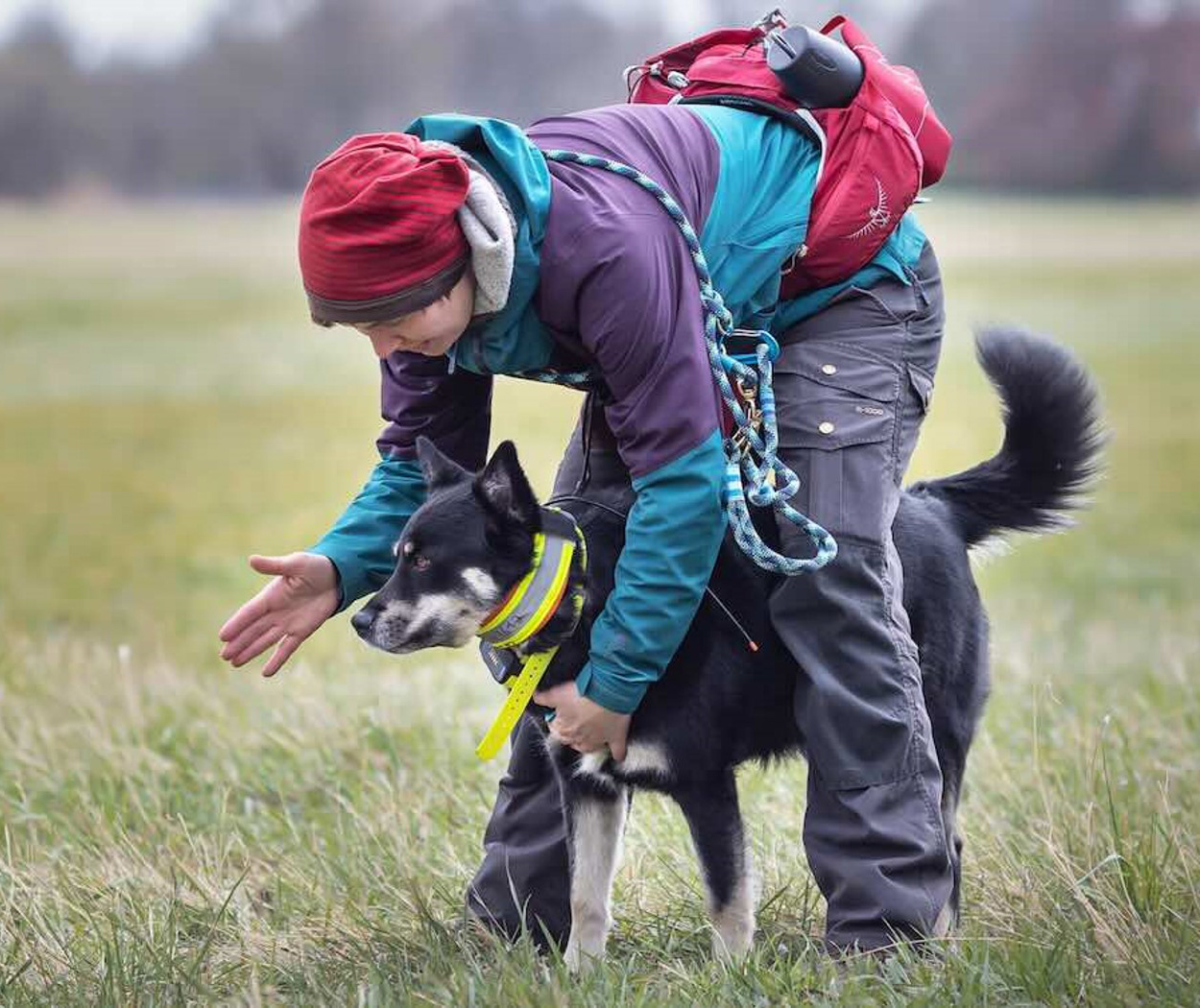
Sniffer dogs are being trained in Germany to detect potentially destructive invasive plants—alien species that are one of the main causes of biodiversity loss worldwide. Scientists from Leipzig evaluated whether volunteer handlers and their dogs could be trained as effective detectives, and found the teams could locate invasive species in the wild with 75% accuracy. The other methods to combat invasive species have been costly and time-consuming, and the lack of effective early-detection methods has limited ecologists’ ability to control further colonization by invasive species.
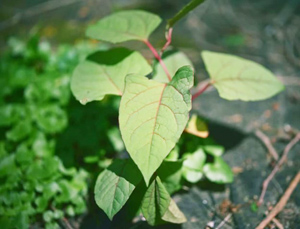
Dr. Annegret Grimm-Seyfarth tested the feasibility of a volunteer dog-handler training program, so citizen scientists could join the fight. 31 dogs and their owners were trained between 2021 and 2023 using three highly problematic invasive plant species: Himalayan balsam, common ragweed, and those in the knotweed family, such as Japanese knotweed (Fallopia spp. complex, Impatiens glandulifera, and Ambrosia artemisiifolia). The training culminated with a field test of the dogs’ ability to locate target species in the wild. Of the 12 teams that completed the field test, 11 teams passed, with an average detection success rate of 75%. From the feasibility study, published in the journal PLOS One, the research team developed a set of recommendations to improve effectiveness of future, similar projects to improve volunteer selection and coordination, dog training, and initial deployments. “Our study shows that trained volunteer dog-handler teams have real potential to support the early detection of invasive plants,” said Dr. Grimm-Seyfarth, in a media release. “What we find particularly exciting is the opportunity to turn something people already love doing—spending time outdoors with their dogs—into a meaningful contribution to biodiversity conservation.”
“By combining dogs’ remarkable sense of smell with the enthusiasm of citizen scientists, we could expand monitoring efforts. “With the right training, everyday walks could become an additional resource for detecting invasive plants early.” Reliable monitoring requires more than a good nose, though. Training and continued guidance from both dog-training and ecological experts are needed to help volunteer teams succeed in real deployments. Dogs have also been trained to sniff out invasive animals—like the notorious spotted lanternfly in the video below. The insect has been steadily spreading across the American East Coast without impediment, but a team at Virginia Tech has trained dogs to root out their eggs in the wild. So far, the dog teams have eliminated 10,000 egg masses.
Get a whiff of this!
Why did the blonde sniff artificial sweetener?
Because she thought it was Diet Coke.
My dog used to chase people on a bike a lot.
It got so bad, eventually we had to take his bike away.
I adopted a drug sniffing dog…
She is having a real hard time quitting.
My dog ate a whole bag of Scrabble tiles, so I took him to the vet.
No word yet…
November 19th Birthdays
1961 – Meg Ryan, 1962 – Jodie Foster, 1994 – Cleo Massey, 1977 – Kerri Strug
1942 – Calvin Klein, 1997 – McCaughey septuplets, 1984 – Adam Driver, 1988 – Patrick Kane