


Japanese regret not sending cards
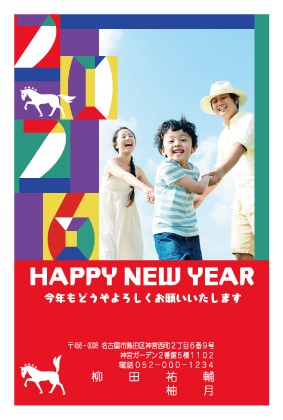
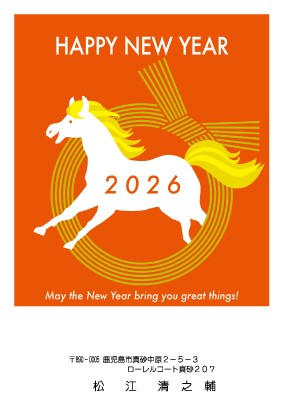
Japan doesn’t really have a culture of giving Christmas cards, but there is something similar. It has long been customary to send nengajo, physical New Year’s greeting cards, to friends, relatives, and colleagues, which would arrive on January 1. The cards often feature seasonal designs and handwritten messages detailing anything of note that has happened over the past year, as well as warm wishes for the next year, but more personal and contemporary designs are available, with even an option to create your own. It has long been such a core part of Japan’s New Year culture that the post office has a dedicated system to process the millions of nengajo it handles nationwide, even recruiting short-term staff to deliver them all on time. The post office also incudes a lottery number on some cards, later announcing the winners of commemorative stamps, household appliances, and travel vouchers.
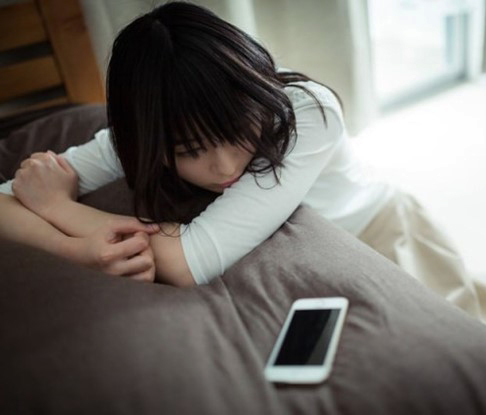
In recent years, with the rise of messaging apps and other social media, many people have decided to stop sending physical cards altogether in a trend that is known as nengajo-jimai, with “jimai” meaning “quitting.” A company surveyed found nearly 80 percent of respondents had stopped sending New Year’s cards within the past five years, citing reasons that digital messages felt “good enough,” and preparing cards during the busy year-end season felt like too much effort. However, once people stopped, many started to realize that things were a little different to what they used to be. Messages on social media often felt rushed or impersonal, sometimes receiving just a single sticker or emoji, whereas other people yearned for the simple ritual of opening the mailbox on New Year’s Day to see who had sent them a card. Some people realized they had lost touch with distant friends and relatives, because nengajo had been their only point of regular contact. Despite many quitting the tradition of nengajo, which was supposed to make life easier, it instead led to many feeling emotionally empty.
Not a single one of the respondents said they felt annoyed or inconvenienced by receiving a New Year’s card. Among the many people who quit, it was only after they stopped that they realized the appeal of nengajo as a once-a-year chance to take the time to pause and reflect on their relationships, and begin the new year with a thoughtful and heartfelt gesture. For many Japanese people the appeal of holding a card containing a warm and sincere message has not lost its charm.
Christmas sentiments
Woman pet store shopper: “Excuse me, do you have a kitten for my little girl?”
Clerk: “Sorry, madam, we don’t do trades.”
Shopper: “I mean, have you got any kittens going cheap?”
Clerk: “Certainly not! They all go Meow!”
What’s the difference between the Christmas alphabet and the ordinary alphabet?
The Christmas alphabet has Noel.
Santa has been reading all your Christmas greeting posts.
Most of you are getting Christmas dictionaries.
A woman went to the Post Office to buy stamps for her Christmas cards. “What denomination?” asked the clerk. “Oh, good heavens! Have we come to this?” said the woman. “Well, give me 50 Catholic and 50 Baptist ones.”
December 19th Birthdays
1972 – Rosa Blasi, 1963 – Jennifer Beals, 1981 – Maria Sokoloff, 1972 – Alyssa Milano
1980 – Jake Gyllenhaal, 1944 – Richard Leakey, 1991 – Keinan Lonsdale, 1989 – Alex Sanchez